
Ahmed Ahmed

Imperial College London • MEng Molecular Bioengineering

Ahmed Ahmed

I study Molecular Bioengineering at Imperial College London, where I split my time between wet-lab experimental biology, scientific software, and diagnostic hardware.

IET Future Talent Boost Scholarship (2026)2x Imperial Dean's List (Top 10%)Y2 Best Design Group Project Prize

I enjoy working on problems where molecular physics and computation meet directly: writing algorithms to decode raw ionic current traces from nanopore sequencers, tuning peptide nucleic acid surface chemistry for point-of-care cancer assays in the Ladame Lab, building multi-core geochemical modelling tools at Nanolyse Technologies, and designing low-noise biopotential circuits and optical instruments.

Technical Specifications, Code & Results

Engineering & Bioinformatics Projects

Software tools, hardware prototypes, and experimental analyses built across sequencing, diagnostics, and bioinstrumentation.

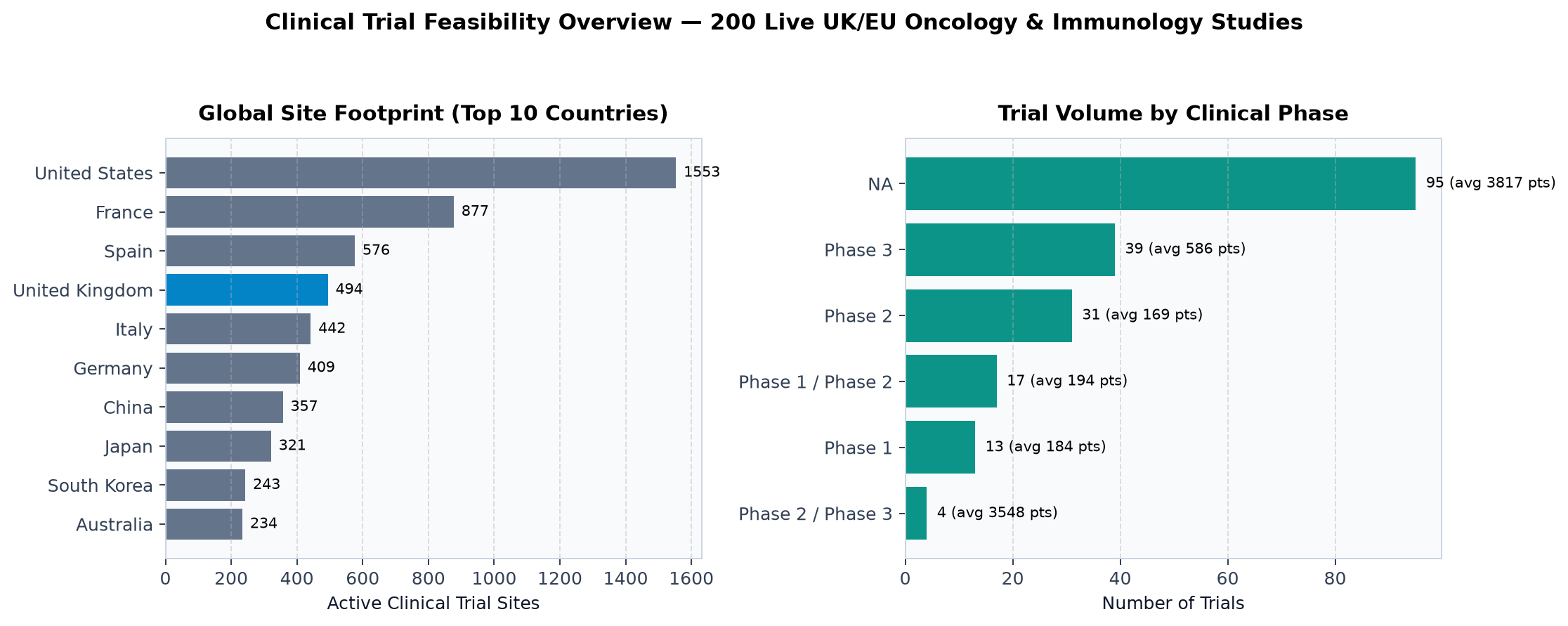
Clinical Trial Feasibility Analytics & SQL Dashboard200 Live Studies | 7,538 Sites

Live ClinicalTrials.gov v2 API -> SQLite Relational Warehouse -> UK & EU4 Site Density Dashboard

Built an end-to-end clinical trial feasibility informatics pipeline ingesting 200 live UK and EU4 oncology and immunology studies from the ClinicalTrials.gov API v2 into a normalised SQLite warehouse (7,538 active sites, 410,731 target patients), running analytical SQL queries for site density and sponsor recruitment burden, and generating an interactive HTML dashboard.

Python
SQL (SQLite)
Clinical Trials Analytics
Pandas / NumPy / SciPy
HTML 5
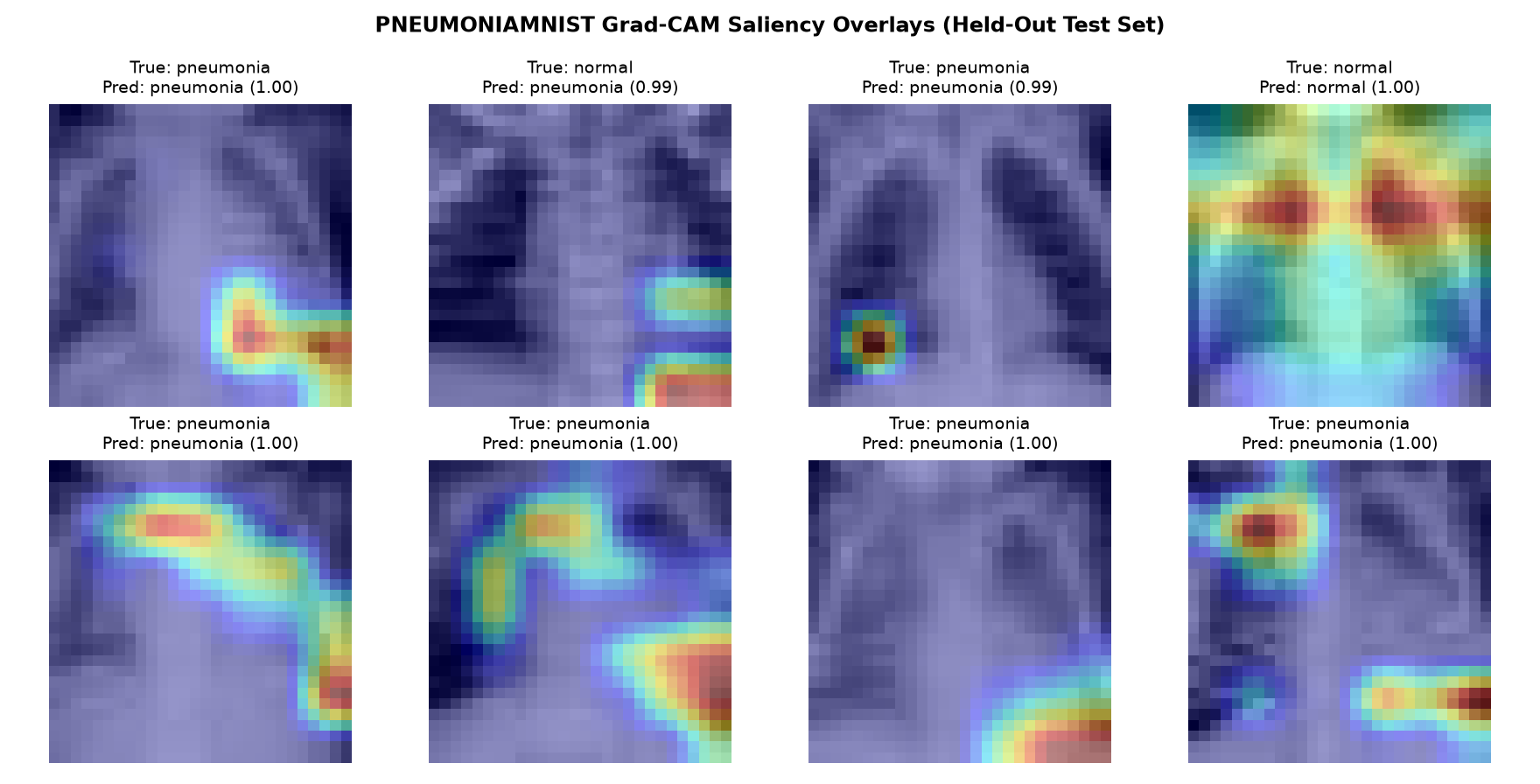
MedMNIST PyTorch Classifier & Grad-CAM0.9673 Held-Out Test ROC-AUC

Residual CNN & Pure-PyTorch Grad-CAM Explainability for 2D Medical Imaging

Built a modular PyTorch 2D medical image classification pipeline (MedResNet residual CNN) with inverse-frequency class-weighted CrossEntropyLoss, AdamW, cosine annealing, and a pure-PyTorch Grad-CAM saliency implementation using forward and backward hooks, achieving 0.9673 held-out test ROC-AUC on PneumoniaMNIST.

PyTorch
Deep Learning
Computer Vision
Grad-CAM
Python
HMM Nanopore Basecaller81% Sequence Identity vs Dorado

Numba-Accelerated 1,025-State 5-Mer Basecaller on Raw POD5 Signals

Built a 1,025-state 5-mer Hidden Markov Model (log-space Baum-Welch EM and 4x downsampled Viterbi decoding) in Python with Numba JIT multi-core execution to decode raw nanopore POD5 ionic current reads, achieving 81% sequence identity against Oxford Nanopore Dorado.

Python
Numba JIT
Hidden Markov Models
POD5 / FASTQ
Biopython
Behind-the-Scenes Engineering & Wet-Lab Stories

Technical Articles & Lab Reports

Illustrated engineering writeups and laboratory research reports covering nanopore basecalling, optical CAD, epigenetics, nanomaterials, and biosignal processing.

Wet Lab, Scientific Software & Clinical Translation

Research & Industry Experience

Laboratory research, scientific software engineering, clinical shadowing, and departmental leadership.

Cancer Diagnostics & BioconjugationJun 2026 - Sep 2026

UROP Research Assistant & Data Analyst

Imperial College London (Ladame Lab - miRFlow Spinout)

Supervised by Dr Sylvain Ladame alongside Marc Soler on the miRFlow circulating microRNA diagnostic platform for early-stage endometrial cancer (miR-223, miR-29b); handed over to a clinical researcher supporting the miRFlow spinout.

  • Improved diagnostic assay performance by 30% by suppressing hydrophobic bead-bead aggregation; demonstrated experimentally that hydrophilic PNA-backfillers, total assay volume, and magnetic-to-reporter bead volume ratios drove the signal-to-noise gain while ruling out most buffer variations.
  • Separated 50+ biological conjugates to high purity via Reverse-Phase HPLC with centrifugal evaporation, flash-freezing, and overnight lyophilisation workup.
Scientific Software & Biotech R&D StrategyJun 2025 - Present

Biotechnology & Commercial Strategy Assistant

Nanolyse Technologies Ltd.

Combining multi-core geochemical speciation software engineering in Python and C++ with biosensor market strategy, grant writing, and executive stakeholder engagement.

  • Secured a £40,000 commercial grant (STFC / Harwell Science Campus scheme) by proving technical and commercial feasibility to executive assessors.
  • Represented Nanolyse across 3 industry conferences, leading commercial briefings and technical discussions to secure 3 corporate R&D partnerships.
Translational Medical DevicesOct 2025

Clinical & Translational Research Shadowing

NHS Blood and Transplant

Clinical and pre-clinical evaluation of ex situ donor organ preservation systems and hepatic regeneration workflows.

  • Analysed translational medical device deployment constraints and clinical-research handoffs between surgical perfusion teams and translational investigators.
Core Domains

Technical Capabilities

Laboratory techniques, programming languages, embedded instrumentation, and analytical tools used across my research and engineering work.

81% HMM Nanopore Basecaller (vs Dorado) & Multi-Threaded FASTQ QC Suite

Sequencing, Bioinformatics & Scientific Computing

Python 3 (Numba JIT, multiprocessing)PyTorch, Deep Learning & Computer Vision (MedResNet CNN, Grad-CAM)POD5 / FASTQ / FASTA Signal & Read ParsingHidden Markov Models (Baum-Welch, Viterbi)Dynamic Time Warping (DTW) Signal AlignmentBiopython (Bio.SeqIO, Bio.Align) & Dorado Benchmarking
30% miRFlow Cancer Assay Gain & 50+ Conjugates Purified via RP-HPLC

Wet-Lab Bioassays, Chromatography & Molecular Biology

Reverse-Phase HPLC (C18 Column, UV 280 nm)Thiol-Maleimide Michael Addition BioconjugationBeckman Coulter CytoFlex Flow Cytometry (CytExpert)FlowJo Singlet & Conjugate Gating AnalysisPeptide Nucleic Acid (PNA) & Streptavidin Microbead AssaysFull-Factorial Buffer Design of Experiments (3x3x3 Matrix)
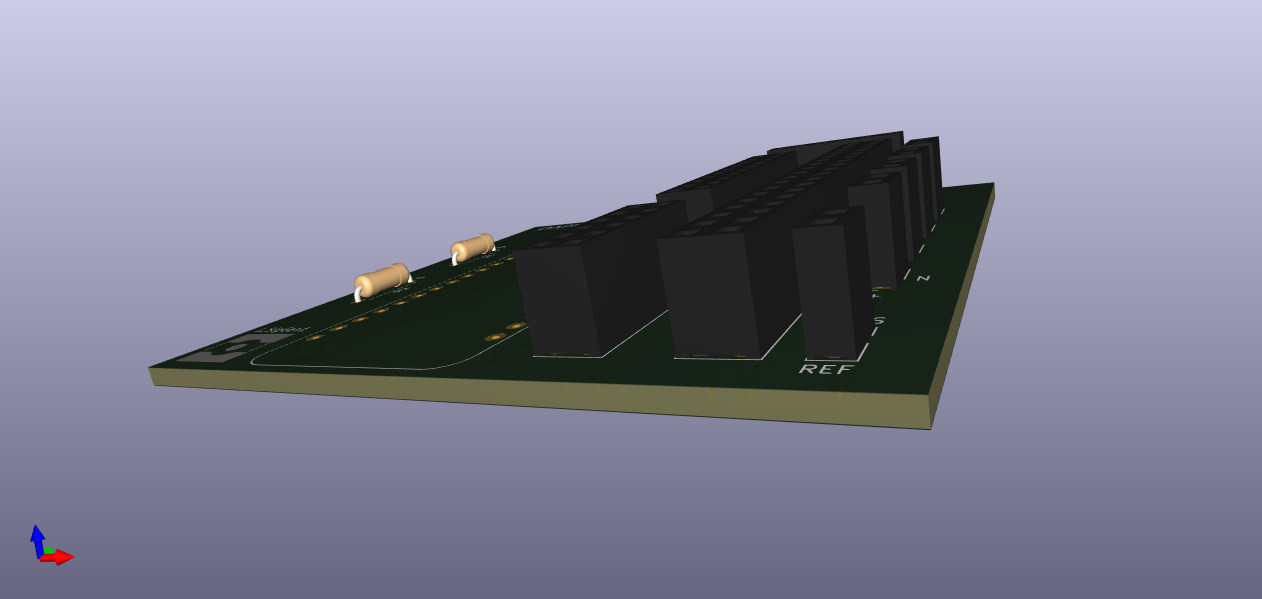
Year 2 Prize for Best Design Group Project (MYOWAVE KiCad/ADS1299 Platform)

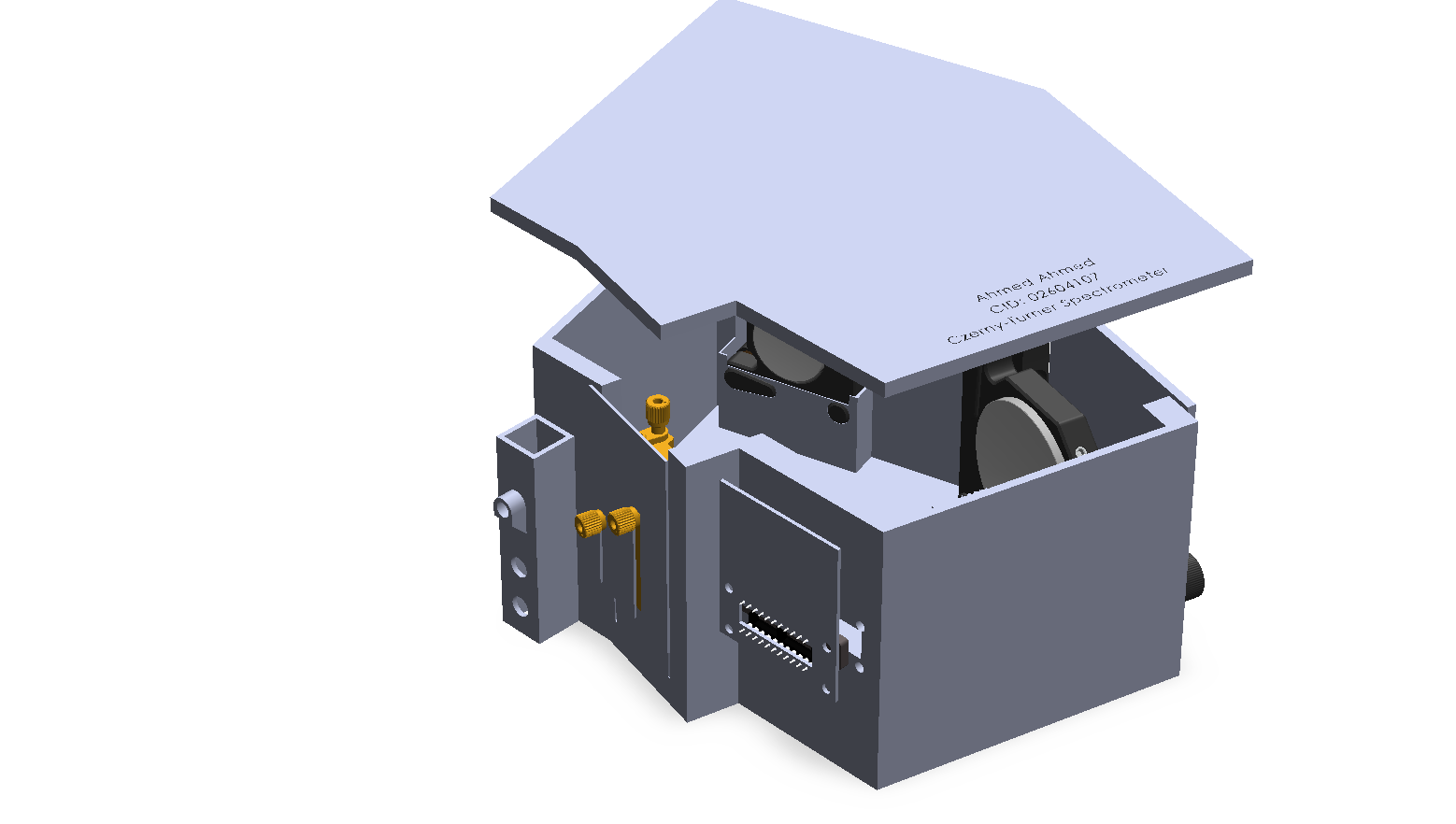
C++17 Systems, Embedded Bioinstrumentation & 3D CAD

C++17 (Structure-of-Arrays, std::thread, CMake, SFML 3.0)C & Embedded C FirmwareTexas Instruments ADS1299 24-Bit Biopotential ADCArduino Due (12-Bit DAC) & Arduino UnoSTM32 Nucleo-F401RE & Toshiba TCD1304 Linear CCDSPI, I2C, UART / PySerial & Bluetooth RFCOMM
£40k STFC/Harwell R&D Grant, 3 Corporate Partnerships & £26k Club Budget

Full-Stack Engineering, R&D Strategy & Governance

Next.js 14, React, TypeScript & Tailwind CSSFirebase Firestore Cloud Sync & SQLite PersistenceGit, GitHub Actions CI/CD & Apache MavenLaTeX (XeLaTeX Scientific & Technical Typesetting)Technical Business Cases & Functional SpecificationsR&D Grant Writing (£40,000 Secured) & Biosensor Market Strategy